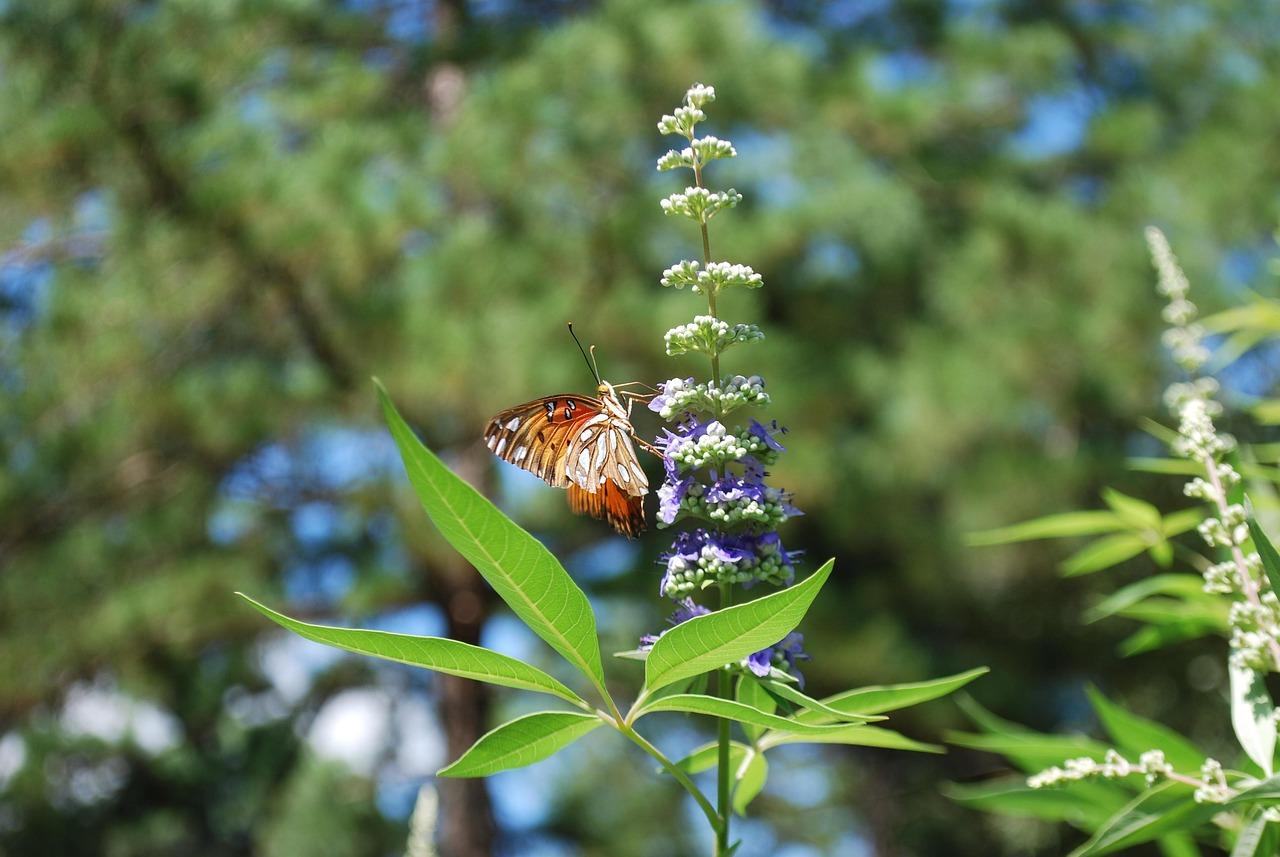
Let's take a look at the urban flora that we noticed pollinating insects visit more in our actions during October - November.
One of the trees that abound in the city of Athens and happens to bloom at this particular time is the carob tree (Ceratonia siliqua). It is an evergreen, beautiful tree that can reach a height of 18m and an age of 100 years. It thrives in the countries surrounding the Mediterranean and the Middle East. In Greece it is native at low altitudes but it is also cultivated. Carob is an extremely heat and drought tolerant tree, it is fire resistant, provides dense shade and requires zero maintenance. These characteristics make it an ideal urban tree to be planted in parks, yards and even on sidewalks.
Carob tree is a great beekeeping plant, as it is one of the first sources of pollen after the prolonged dry season of summer. Bees collect the precious yellow pollen and nectar from the flowers, and many years also honeydew from its stems or fruits (The beekeeping flora, D.Tsellios).


In order to start blossoming, it needs some rainfalls after the summer season and a rise in the relative humidity, that’s why in Attica’s dry climate its start can vary from mid-September to mid-October. Its flowers are dioecious (i.e. the male and female flowers are on different trees). They grow from the axils of the leaves or directly from the wood of the old branches in yule-shaped clusters. The male flowers are reddish at first and then turn brown, giving off a strong and heavy fragrance. The female flowers are greenish (Apiculture plants, A. Plakoutsis).

Its fruit is sweet and eaten in various forms, with an increasingly recognized nutritional value. The ripening of the fruit lasts almost a year, from Autumn when the flowering takes place until the end of August of the following year when the ripe fruits start falling.